


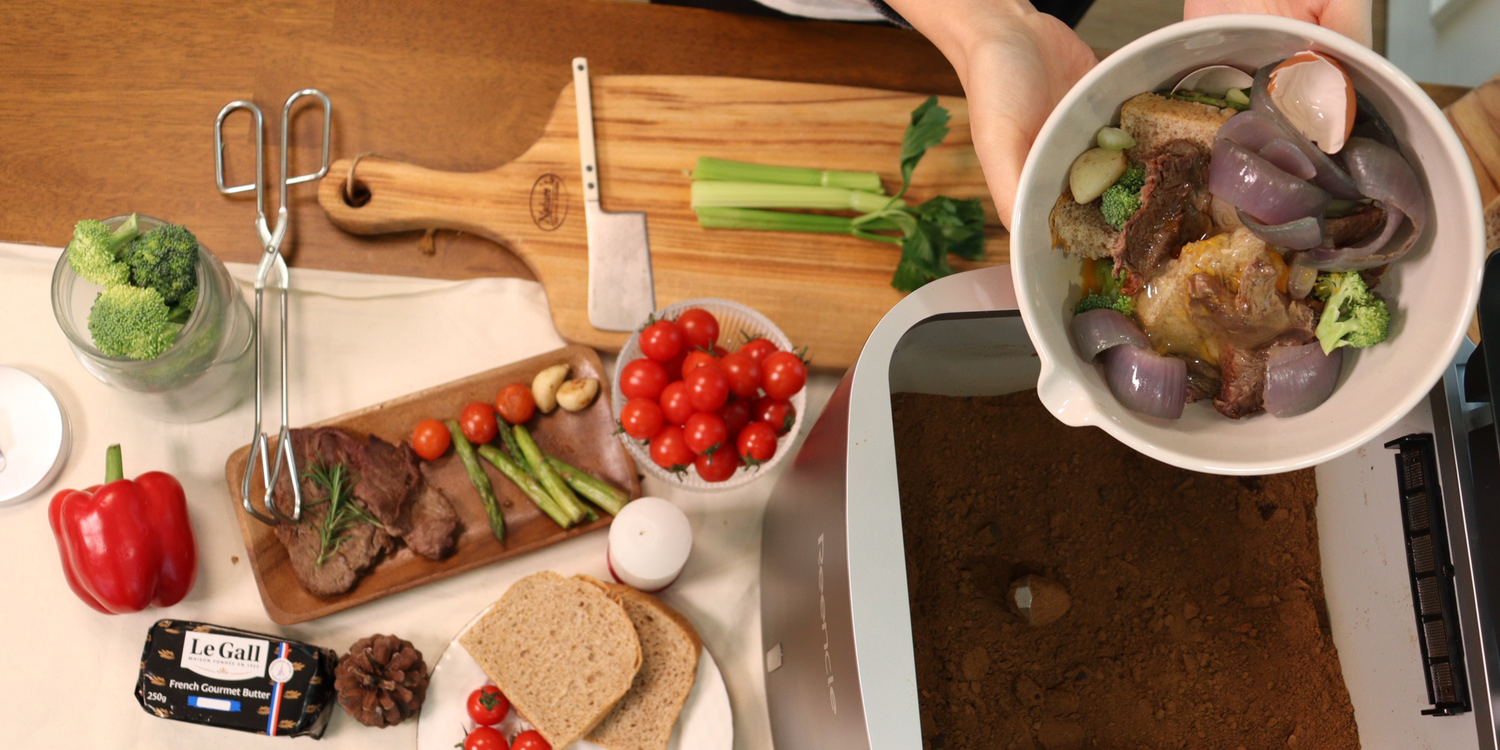
One of the greatest sources of trash in Australian homes is food waste. More and more households are turning kitchen leftovers into compost that is full of nutrients and feeds their crops naturally, instead of sending them to the landfill.
If you have the Reencle Composter, you've already done the first step. The next step is to learn how to use that compost in the best way to improve the health of your plants, the quality of your soil, and the long-term success of your garden.
This is how to turn scraps of food into real "garden gold".
Why Composting Is More Important Than Ever
Composting isn't simply a way to cut down on trash; it's also a way to make the soil healthier.
Good compost:
- Makes the soil better
- Keeps more water in
- Adds important nutrients
- Encourages good microorganisms
- Lessens the demand for chemical fertilisers
Compost can make a huge difference for Australian gardeners who have sandy, clay-heavy, or nutrient-poor soil.
What Sets Reencle Compost Apart?
The Reencle system speeds up the breakdown of food scraps by controlling airflow and using microbes to do the work. This is different from regular outdoor compost bins, which can take months to break down food waste.
The end outcome is:
- Fine compost that doesn't smell
- Quicker turnaround time
- Processing that is small and easy to use in the kitchen
- Less methane released than in a landfill
Because the output is finer, it's easier to mix directly into your soil without the big, half-decomposed stuff that is frequent in cold compost piles.
Step 1: If necessary, let the compost mature.
This method produces highly processed compost, but letting it sit for a while before using it can improve its efficacy.
Best practice:
After you collect compost, let it sit for one to two weeks.
Put it in a container that lets air in.
Don't let it become too wet, but keep it a little bit moist.
This short curing process lets microbes settle down and makes it easier for plants to get nutrients.
Step 2: How to Use Compost in Your Garden Beds
For flower beds and veggie gardens:
Put 2 to 5 cm of compost on top of the surface.
Mix it in with the top 10 to 15 cm of soil.
Make sure to water well.
This way:
Makes the soil more fertile
Helps roots grow better
Makes clay soil drain better
Increases moisture retention in sandy soil
In Australia, where summers are hot, better moisture retention might cut down on how often you need to water your plants.
Step 3: Putting compost in pots for plants
Compost is great for container plants, but you need to find the right balance.
Best mix ratio:
Compost: 20–30%
70–80% good potting mix
If you put too much compost in pots, they won't drain as well, so be careful. When mixed well, it gives plants nutrition over time and helps their roots grow strong.
Step 4: Use compost as mulch
You can also use compost as a top-dressing mulch around:
Trees that grow fruit
Shrubs that are native
Garden beds that are higher up
Gardens of herbs
Put a 2–3 cm layer around the base of the plants, but don't touch the stem. This helps:
Keep moisture in the soil
Get rid of weeds
As the earth breaks down, give it food slowly.
This protective coating can make plants far more resistant to harsh sun in Australian settings.
Step 5: Bringing Dead Soil Back to Life
Compost can help bring soil back to life over time if it is hard or dead.
Twice a year:
Put a lot of compost on the area.
Lightly turn it into the soil.
Water profoundly.
Over the course of several seasons, you will see:
Soil that is softer and darker
More worms are moving around
Better development of plants
A better balance of nutrients
It takes time to make healthy soil, but using compost regularly speeds up the process.
What NOT to Do With Compost
To get the greatest outcomes, don't make these typical mistakes:
❌ Putting compost that is too damp right on the roots
❌ Using compost to replace all of the soil
❌ Putting compost directly against the stems of plants
❌ Not paying attention to how well the soil drains
Compost is best used to improve soil, not as a growing medium on its own.
How to Live Sustainably in Australia by Composting
Using a kitchen composter like Reencle not only helps your garden, but it also cuts down on the amount of trash your family throws away and the amount of trash that ends up in landfills.
A lot of the trash that people throw away in Australia is food waste. Putting scraps into compost:
Lessens the release of methane
Helps with circular living
Cuts down on synthetic fertiliser use
Helps keep soil healthy for a long time
For homeowners committed to sustainable living, composting is one of the simplest and most impactful changes you can make.
Last Thoughts: Making Money Out of Trash
The best thing about composting is how easy it is. Trash can now be used to improve your soil, help your plants grow, and make your garden better each year.
The Reencle Composter can turn daily food scraps into nutrient-rich garden gold in a clean, efficient, and environmentally friendly way.
When used correctly, compost doesn’t just grow plants.
Compost enhances soil quality, fortifies ecosystems, and establishes a more sustainable home from its foundation.


Leave a comment
This site is protected by hCaptcha and the hCaptcha Privacy Policy and Terms of Service apply.