


Ask any Australian over sixty about composting and you'll probably hear a story about a grandparent. Maybe it was a nonna tipping vegetable peelings into a rusted bucket by the back door, or a pop who kept a compost heap behind the shed that nobody was allowed to touch. For most of the twentieth century, composting in Australia lived outside, in gardens, on farms, and in the memories of people who grew their food because that's simply what you did.
That version of composting has mostly disappeared. Backyards have shrunk. Apartment living has boomed in our cities. Many Australians under forty have never owned a garden bed, let alone a compost heap. Yet something interesting has happened in the last few years: composting hasn't died out with the backyard. It has moved indoors, and it has changed shape entirely.
Why the Backyard Compost Heap Stopped Making Sense
The old-school compost pile worked because it matched how people lived. Big blocks, big gardens, and a genuine need for soil improvement all supported the habit. Councils across the country used to hand out compost bins as part of sustainability drives, and plenty of households still have one gathering cobwebs in a corner.
But the maths of modern Australian life doesn't support that model anymore. According to the Australian Bureau of Statistics, more than a quarter of Australians now live in apartments or townhouses with little to no outdoor space. Even those with a small courtyard often find that a traditional compost bin brings problems they don't have the patience for: odour, fruit flies, rats, and weeks of turning and monitoring before you get anything useful.
So people did what they usually do when a habit no longer fits their environment. They gave it up. Most food scraps went into the general waste bin, and from there, straight to landfill. That's a real problem, because food waste breaking down in landfill produces methane, a greenhouse gas many times more potent than carbon dioxide. The impulse to compost never vanished. The infrastructure to do it simply stopped matching how Australians actually live.
The Rise of Kitchen Composting
This is where the picture has quietly flipped over the past few years. Instead of composting being something you do at the bottom of the garden, it's becoming something you do on the kitchen bench, next to the kettle.
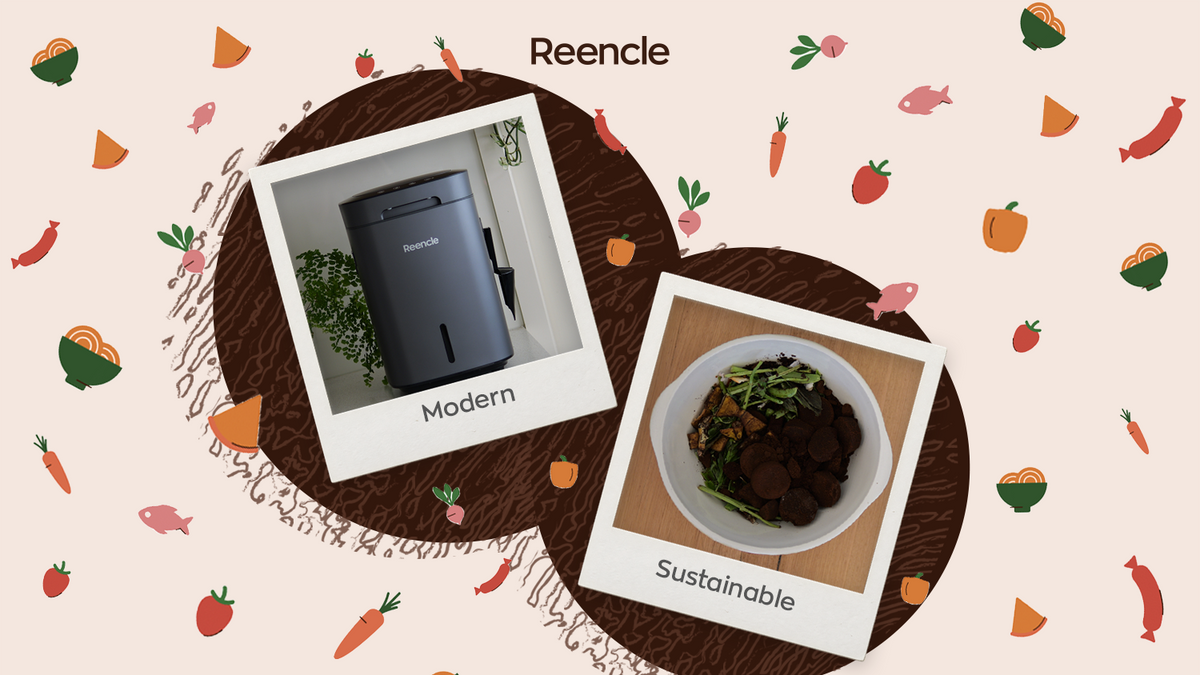
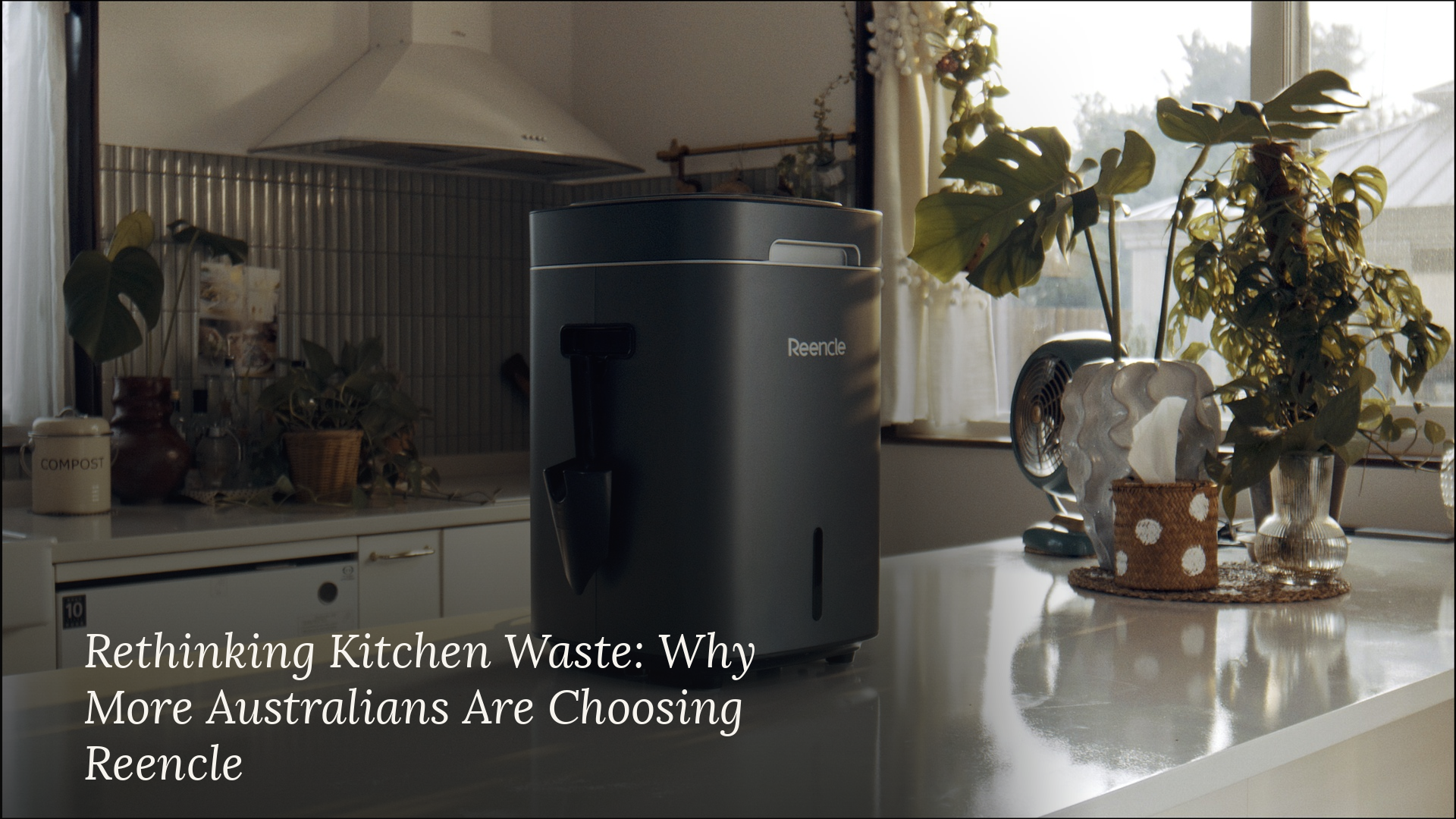
A new generation of electric kitchen composters has emerged to fill that gap, and none has captured attention in Australian homes quite like the Reencle home composter. Rather than relying on slow decomposition over weeks, the Reencle uses a proprietary blend of microorganisms combined with gentle heat and constant agitation to break down food scraps in a matter of hours. Drop in your vegetable peelings, coffee grounds, eggshells, even small bones and dairy, and the unit turns them into a dry, soil-like output without the smell, the mess, or the outdoor space that traditional composting demands.
For apartment dwellers, this is close to a revelation. For anyone who tried backyard composting once, got a fruit fly plague for their trouble, and swore off it forever, it's a genuine second chance.
What Actually Changed in the Culture
It's tempting to say the Reencle home composter and machines like it "solved" composting - that they did was remove the barriers that had made composting inconvenient for modern Australian households.
Consider the practical differences:
-
No outdoor space required. The unit sits on a bench or under a sink, so renters and apartment residents can finally take part.
-
No smell and no pests. The sealed, heated process means none of the fruit fly problems that put so many people off in the first place.
-
Minutes of effort, not weeks of maintenance. You load it, you press a button, and the machine does the rest.
-
Immediate feedback. Seeing scraps turn into usable output within a day builds a habit far faster than waiting months for a garden heap to mature.
None of this required Australians to become more environmentally minded than their grandparents were. If anything, older generations were often more resourceful with food scraps out of necessity. What changed is that the effort required to compost dropped to almost nothing, and low effort is what makes a habit stick.
From Farmhouse Necessity to Household Convenience
There's a nice symmetry in how this has played out. Nonna composted because it made sense on a property with a vegetable patch and animals to feed. She wasn't thinking about carbon footprints. She was thinking about not wasting anything.
Today's kitchen composting boom is driven by a similar instinct, even if the language around it has changed to climate targets and circular economy. Whether someone runs a home composter because they care about landfill methane or simply because they hate throwing out good scraps, the outcome is the same: less waste, and a bit of nutrient-rich output that can go back into a pot plant, a community garden, or a neighbour's veggie patch.
That's the real story behind the shift in Australian composting culture. It isn't that people suddenly became greener. It's that the tools finally caught up with how people actually live now, in units and townhouses and share houses without a scrap of backyard to speak of.
Where This Leaves Australian Kitchens
Composting in Australia has returned to the kitchen in a way that might surprise you. It started outdoors, disappeared for a generation as our living arrangements changed, and has now returned indoors in a form that suits modern life far better than the bucket by nonna's back door ever could.
The Reencle home composter and similar kitchen composters aren't trying to recreate the old backyard heap. They're solving the same underlying problem nonna solved decades ago, just with a design built for 2026 kitchens rather than 1960s farmhouses. Given how many Australians live without outdoor space today, that shift matters more than it might first appear.
Composting was never really about having a garden. It was always about not letting good food go to waste. It just took a few decades and a clever bit of kitchen technology to bring that idea back home.

Leave a comment
This site is protected by hCaptcha and the hCaptcha Privacy Policy and Terms of Service apply.