


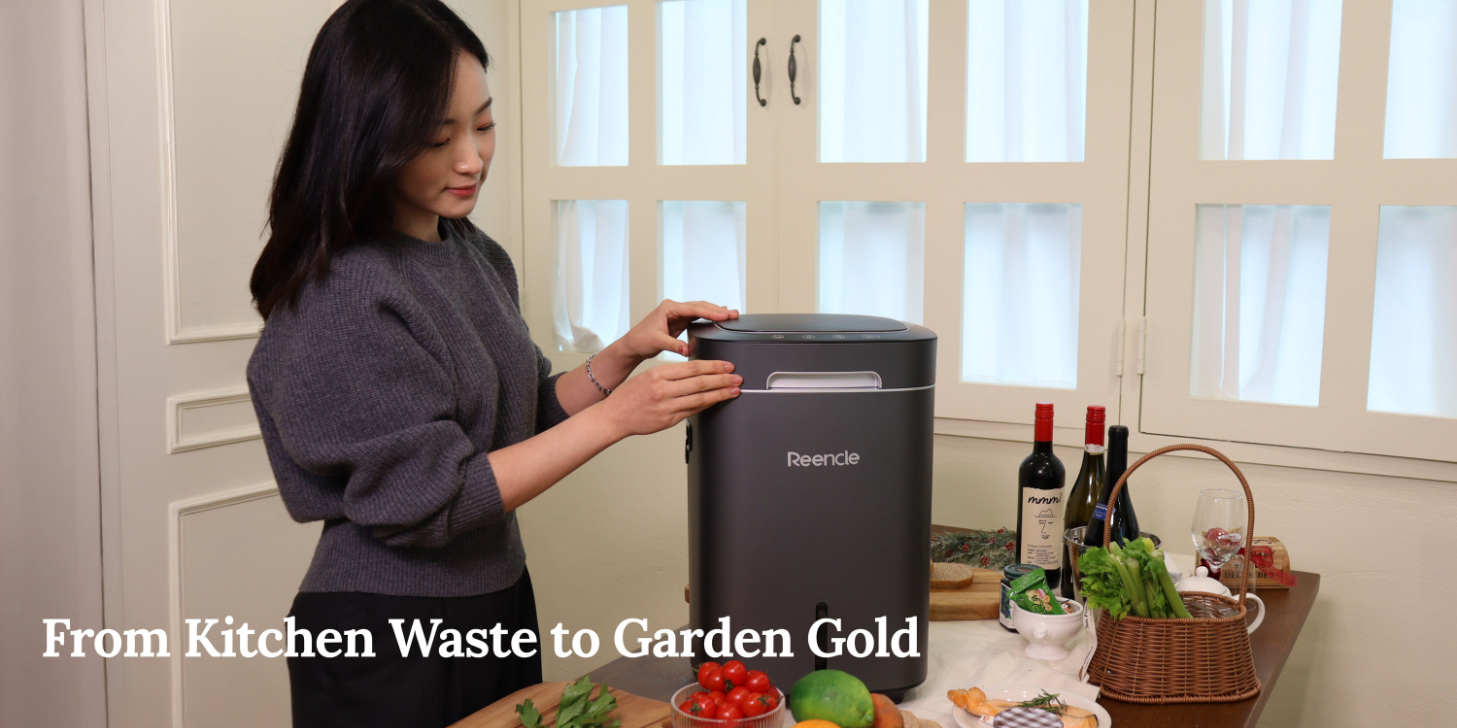
In today’s world, where sustainability is becoming a priority for many households, composting has emerged as a simple yet powerful way to reduce waste and live more eco-consciously. What was once seen as a gardening chore is now embraced as a lifestyle upgrade, transforming everyday kitchen scraps into nutrient-rich “garden gold".
Whether you live in a house with a backyard or a compact apartment, composting offers a wide range of benefits that go beyond just reducing trash. This guide explores how composting can positively impact your home, health, and environment, as well as how you can easily get started.
What Is Composting and Why Does It Matter?
Composting is the natural process of breaking down organic materials—such as food scraps and yard waste—into a rich, soil-like substance called compost. This compost can then be used to nourish plants, improve soil quality, and support sustainable gardening.
Why composting is important:
- Reduces landfill waste
- Lowers greenhouse gas emissions
- Improves soil health naturally
- Supports a more sustainable lifestyle
In fact, a significant portion of household waste is compostable, including fruit peels, vegetable scraps, coffee grounds, and eggshells. By composting these materials, you’re not just reducing waste—you’re actively contributing to environmental conservation.
The Environmental Benefits of Composting
One of the biggest advantages of composting is its positive impact on the environment.
1. Reduces Landfill Waste
Food waste makes up a large percentage of household garbage. When organic waste ends up in landfills, it decomposes without oxygen and produces methane—a potent greenhouse gas.
Composting diverts this waste from landfills and turns it into something useful instead.
2. Lowers Carbon Footprint
By composting at home, you reduce the need for waste collection, transportation, and processing. This helps lower your overall carbon footprint.
3. Enriches Soil Naturally
Compost improves soil structure, retains moisture, and adds essential nutrients. This reduces the need for chemical fertilisers, which can harm the environment over time.
The Lifestyle Benefits of Composting
Beyond environmental impact, composting can significantly improve your daily lifestyle in surprising ways.
1. Creates a Cleaner, More Organized Kitchen
Separating food scraps encourages better waste management habits. Many households find that composting reduces unpleasant odours from trash bins and minimises overall garbage.
2. Encourages Mindful Living
Composting makes you more aware of what you consume and waste. This often leads to smarter grocery shopping, less food waste, and more intentional living.
3. Saves Money Over Time
By making your own natural fertiliser, you can reduce your gardening expenses. Additionally, reducing waste may lower garbage disposal costs in some areas.
4. Supports Home Gardening
Whether you grow herbs on your windowsill or maintain a full backyard garden, compost provides a nutrient-rich boost that helps plants thrive.
5. Promotes a Sustainable Routine
Composting becomes a daily habit that aligns with eco-friendly living—similar to recycling or reducing plastic use.
What Can You Compost?
Getting started with composting is easier when you know what materials are suitable.
Common compostable items:
- Fruit and vegetable scraps
- Coffee grounds and tea bags
- Eggshells
- Bread and grains
-
Yard waste (leaves, grass clippings)
Items to avoid:
- Meat and dairy (in traditional composting)
- Oily or greasy foods
-
Plastic or non-biodegradable materials
Understanding what goes into your compost ensures a healthy and efficient decomposition process.
Composting Methods for Every Home
You don’t need a large backyard to start composting. There are several methods suited to different living spaces and lifestyles.
1. Traditional Outdoor Composting
Ideal for homes with gardens:
- Uses a compost bin or pile
- Requires regular turning and maintenance
-
Takes several weeks to months
2. Vermicomposting (Worm Composting)
Great for small spaces:
- Uses worms to break down organic matter
- Produces high-quality compost
-
Requires careful maintenance
3. Indoor Composting Systems
Perfect for apartments or busy households:
- Compact and odor-controlled
- Faster decomposition process
-
Minimal maintenance required
Modern composting solutions have made it easier than ever to incorporate this habit into daily life—regardless of space constraints.
Common Challenges and How to Overcome Them
While composting is simple, beginners may encounter a few challenges.
1. Odour Issues
- Solution: Balance “green” (wet) and “brown” (dry) materials
-
Avoid overloading with food scraps
2. Pests
- Solution: Keep compost covered and avoid meat or dairy
3. Slow Decomposition
- Solution: Turn the compost regularly and maintain proper moisture levels
With the right approach, these issues are easy to manage and won’t interfere with your composting routine.
How to Start Composting Today
Ready to turn your kitchen waste into garden gold? Here’s a simple step-by-step guide:
-
Choose a composting method that suits your space
-
Set up a compost bin or system
-
Start collecting kitchen scraps
-
Maintain the right balance of materials
-
Use the finished compost in your garden or plants
Starting small and staying consistent is key. Even a little effort can lead to significant changes over time.
A Simple Option for Modern Homes
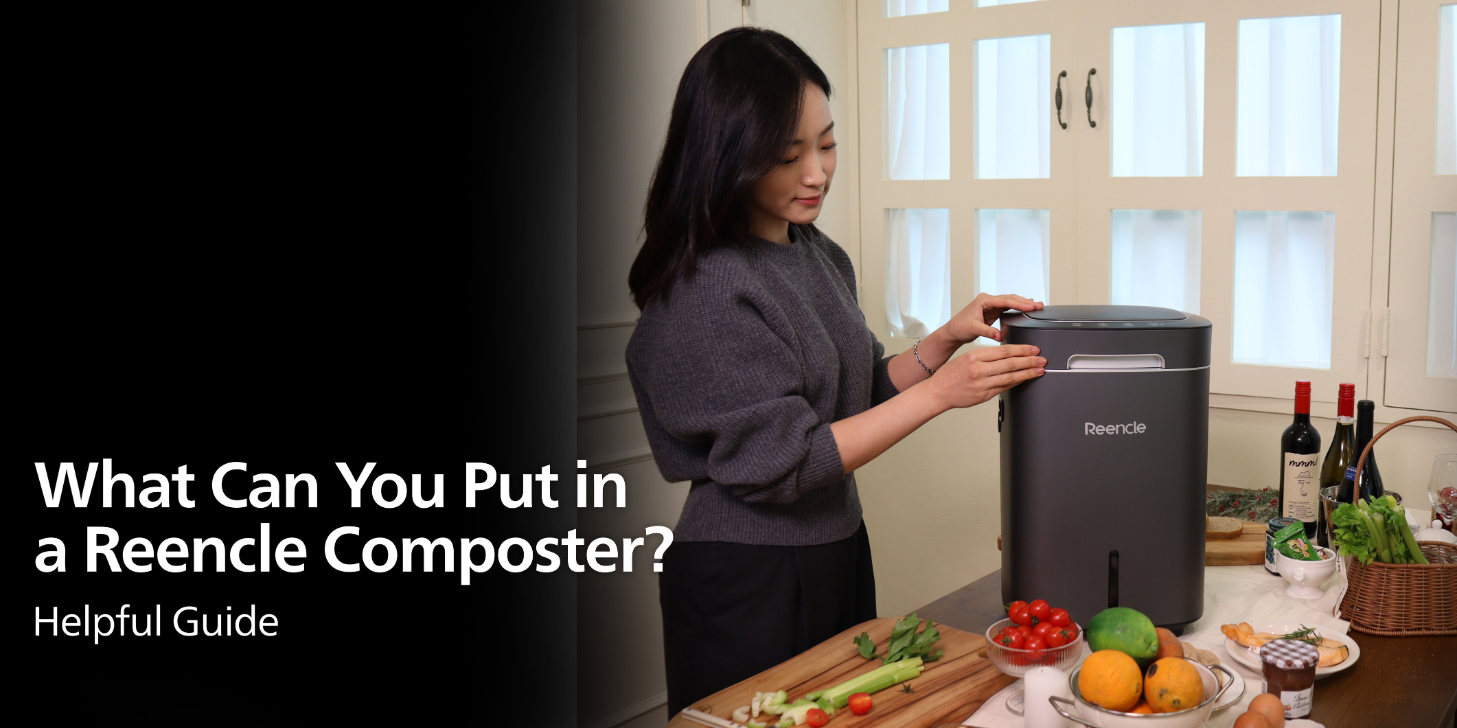
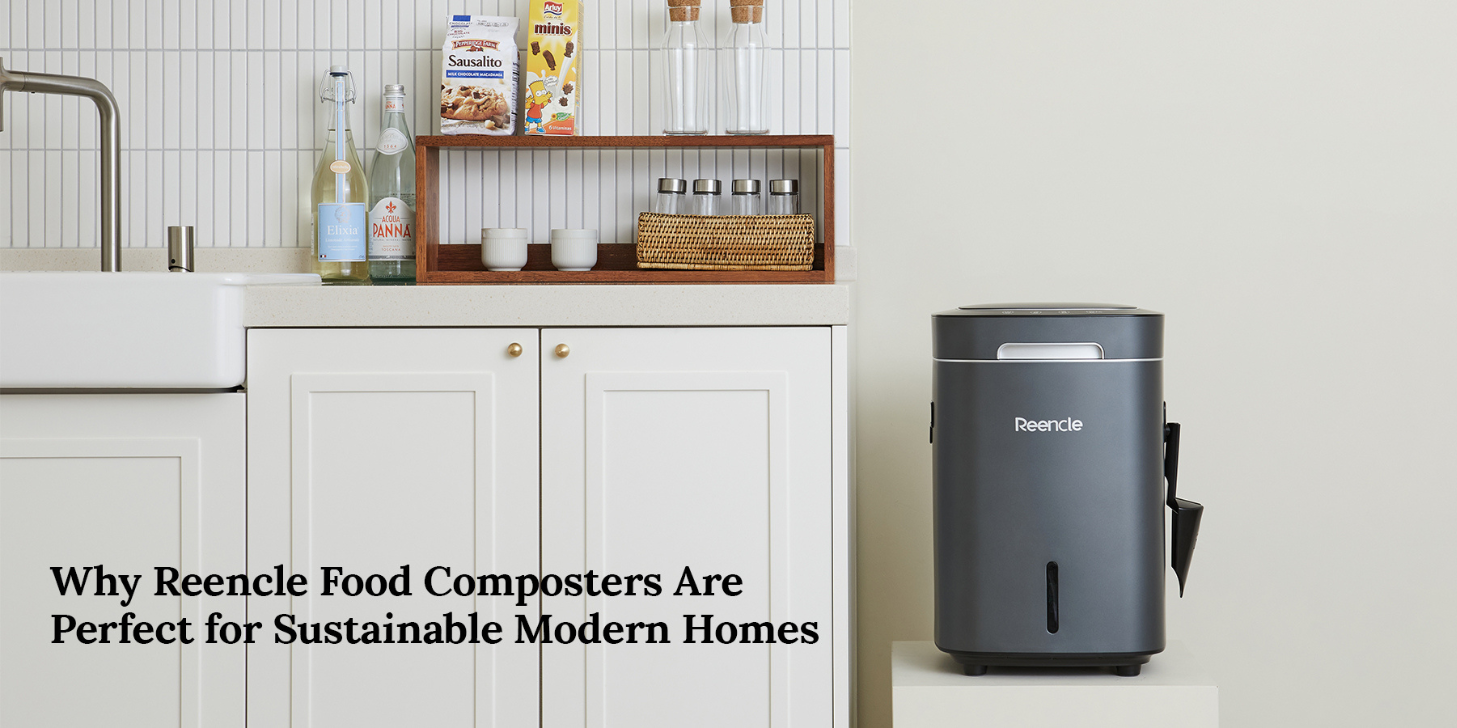
For those looking for a more convenient way to get started, the Reencle Composter offers a modern approach to composting. Designed for ease of use, it helps break down food waste efficiently with minimal odor and maintenance, making it especially suitable for indoor spaces or busy households. It’s a practical option if you want to enjoy the benefits of composting without the usual complexity.

Leave a comment
This site is protected by hCaptcha and the hCaptcha Privacy Policy and Terms of Service apply.