


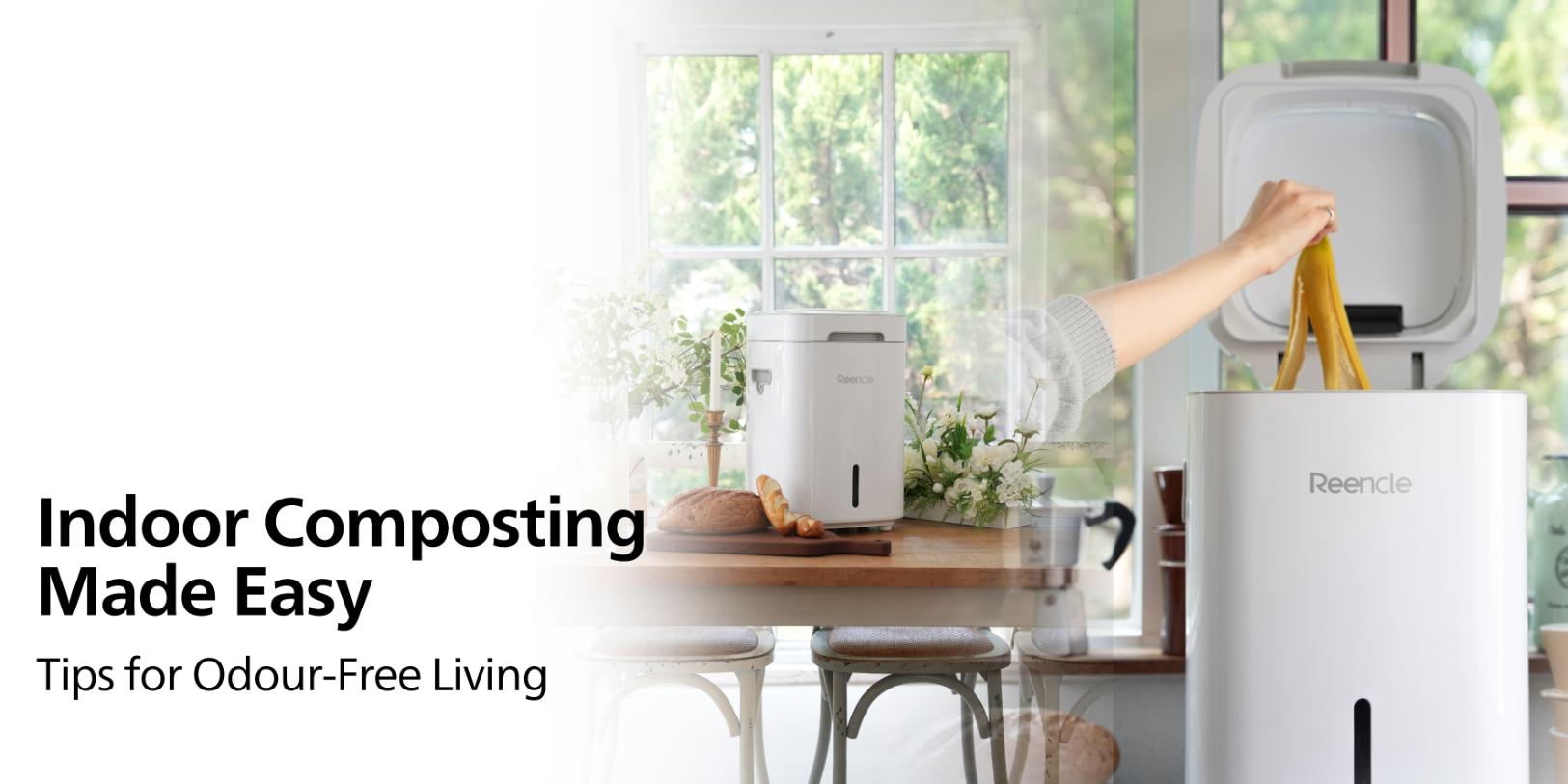
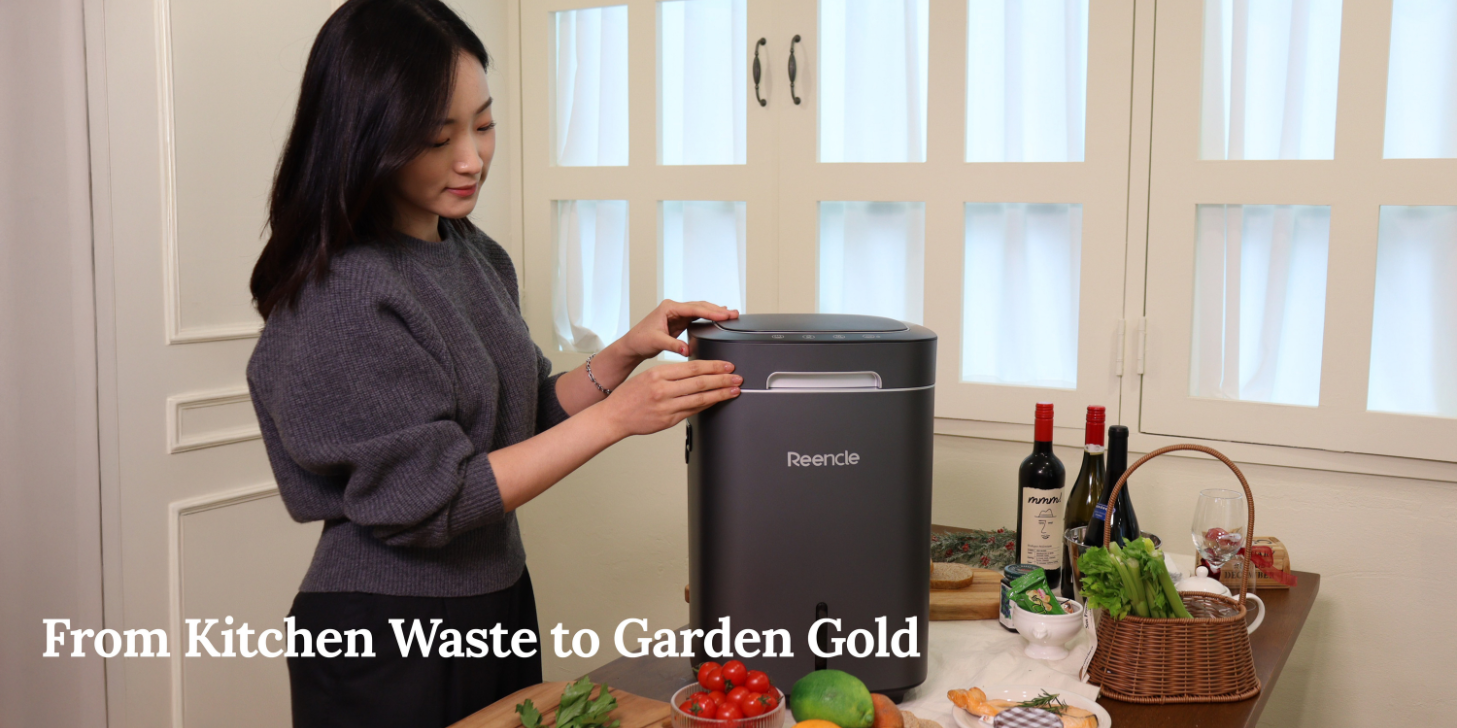
Composting at home has never been easier, thanks to smart kitchen solutions like the Reencle composter. Designed for convenience, efficiency, and sustainability, this modern appliance transforms food waste into nutrient-rich compost with minimal effort.
But one of the most common questions users ask is, 'What can you actually put in a Reencle composter?'
In this guide, we’ll break down what you can compost, what to avoid, and tips to get the best results from your smart composter.
Why Knowing What to Compost Matters
While the Reencle composter is designed to handle a wide range of food waste, adding the right materials ensures:
- Faster decomposition
- Better odor control
-
Higher-quality compost
-
Longer machine lifespan
Understanding the proper inputs helps you maximise the benefits of kitchen compost while avoiding unnecessary issues.
✅ What You Can Put in a Reencle Composter
The Reencle composter is highly versatile and can process many common kitchen scraps. Here’s what you can safely add:
1. Fruit and Vegetable Scraps
These are the most common compostable items, and they break down quickly:
- Fruit peels (watermelon rinds should be cut in pieces)
- Vegetable trimmings (carrot tops, onion skins)
-
Wilted greens and herbs
These materials are rich in nutrients and ideal for organic composting.
2. Cooked Food (in Moderation)
Unlike traditional composting systems, the Reencle composter can handle small amounts of cooked food, including:
- Rice and pasta
- Bread
-
Leftover vegetables
However, avoid overloading the machine with oily or heavily seasoned foods.
3. Coffee Grounds and Tea Leaves
Coffee and tea waste are excellent additions:
- Coffee grounds (with filters in small amounts)
-
Loose tea leaves or tea bags (non-plastic)
They help improve compost quality and support microbial activity.
4. Eggshells
Eggshells are a wonderful source of calcium and can be added directly. For faster breakdown:
-
Crush them into smaller pieces
This helps improve the texture and nutrient profile of your compost.
5. Small Amounts of Meat and Fish Scraps
The Reencle composter can process small quantities of the following:
- Meat scraps
-
Fish remains
However, keep portions small to maintain balance and prevent odour.
❌ What NOT to Put in a Reencle Composter
To keep your composter running efficiently, avoid adding the following:
1. Large Bones
Bones take too long to break down and may damage the system.
2. Excessive Oil or Grease
Too much oil can disrupt the composting process and create unpleasant odors.
3. Non-Food Waste
Do not add:
- Plastic
- Metal
- Glass
-
Synthetic materials
4. Hard Shells (e.g., coconut shells)
Very challenging materials may not break down effectively in a smart composter.
Tips for Better Composting Results
To get the most out of your Reencle composter, follow these best practices:
- Chop large scraps into smaller pieces for faster processing
- Avoid overloading the bin at one time
- Balance wet and dry waste for optimal decomposition
-
Clean regularly to maintain hygiene and performance
These simple habits will help ensure efficient, odour-free food waste composting.
Benefits of Using a Reencle Composter
Using a Reencle composter offers several advantages:
- Reduces household food waste
- Minimizes landfill contribution
- Produces nutrient-rich compost for plants
-
Supports eco-friendly living
It’s an ideal solution for anyone looking to adopt a more sustainable lifestyle in 2026.
Final Thoughts
Knowing what you can and can’t put in a Reencle composter is key to achieving the best results. From fruit and vegetable scraps to small amounts of cooked food, this smart appliance makes composting simple and efficient.
By following the right guidelines, you can turn everyday kitchen waste into valuable compost—helping both your home and the environment.

Leave a comment
This site is protected by hCaptcha and the hCaptcha Privacy Policy and Terms of Service apply.